How to Choose a Rabbi for Your Wedding: Questions to Ask
How to choose a rabbi for your wedding is one of the most personal decisions in planning a wedding, because the rabbi is the person who will stand with you under the chuppah at the most moving moment of the day. The short answer: first choose the type of ceremony you want, then check personal fit, experience and approach, and only at the end settle practical details such as the date and the price. In this article you will find the questions worth asking in the first conversation, the signs of a good match, and the mistakes worth avoiding. If you are new to Israel, or one of you comes from abroad, these steps will also help you find your way in a system that may feel unfamiliar.
Step One: Decide What Kind of Ceremony You Want
Before looking for a rabbi, sit down together and ask: which ceremony suits us? An Orthodox ceremony through the Rabbinate, a Reform or Conservative ceremony, or a secular ceremony? This decision narrows the search a great deal. If you are looking for an egalitarian ceremony, with mutual kiddushin, an egalitarian ketubah and room for personal vows, look for a Reform rabbi. If a halachic ceremony through the Rabbinate matters to you, turn to the Rabbinate or to organizations working within it.
It is also worth thinking about the legal side. If one of you cannot marry through the Rabbinate, or you want to be registered as married, understand in advance which options exist. The information here is general and is not legal advice.
Step Two: What to Check When Looking for a Wedding Rabbi
When you are looking for a rabbi for a wedding, there are a few things worth checking already in the first conversation:
- Ordination: where the rabbi was ordained, and in which stream. Reform rabbis in Israel are usually ordained within the Reform movement.
- Approach to the ceremony: does the rabbi arrive with a fixed ceremony, or build a personal one with you? Is the rabbi open to changes, songs, readings and two languages?
- Equality: will both of you be able to give a ring and say a betrothal phrase? Can women recite blessings and serve as witnesses?
- Preparation meetings: are there meetings before the wedding, and what happens in them?
- Ketubah: does the rabbi help you choose and write the ketubah text? Is a designed ketubah available?
- Languages: if some of your guests do not speak Hebrew, can the rabbi include English or another language?
- Legal knowledge: can the rabbi point you in the right direction on the legal arrangement, and tell you when you need a lawyer?
Step Three: The Introductory Conversation
An introductory conversation is a good chance to understand whether there is a real connection. Many rabbis offer one with no obligation. Pay attention not only to what the rabbi says, but to how the rabbi listens: are you asked about yourselves, your story, your family and the values that matter to you? A good wedding rabbi does not just “run a ceremony”; a good rabbi builds with you a moment that fits you.
Questions to Bring to the Conversation
- What does a typical ceremony look like with you, and what can we change?
- How long does the ceremony last?
- Can family members take part in the blessings and readings?
- How do you work with families that include religious relatives?
- Do you hold ceremonies for same-sex couples or interfaith couples?
- What is included in the service, and what is not?
- What happens if the date changes?
Step Four: Recommendations and Reviews
Recommendations from other couples can help a lot. Read reviews, ask friends, and if possible watch a video of a ceremony the rabbi has led. Notice what comes up again and again: warmth, listening, humor, precision, the ability to calm people down. On this site you can read what couples who married with Rabbi Mordecai say.
Step Five: Matching the Rabbi to Your Personality
Some couples want a short and precise ceremony. Others want a ceremony with singing, stories and room for tears. Some rabbis bring singing into the ceremony, for example a singing rabbi who carries the blessings with a melody; others prefer a spoken ceremony. There is no right or wrong here, but it helps to know what you are looking for. If the thought of sung blessings moves you, ask about it. If you prefer as little ceremony as possible, say so.
What Is Special About Choosing a Reform Rabbi
Couples who choose a Reform rabbi are usually looking for two things together: a real connection to Jewish tradition, and full room for their own identity and values. So check how the rabbi balances the two. Does the rabbi keep the blessings in their traditional wording and add a short explanation for the guests? Can the rabbi suggest readings and songs that suit you, rather than repeating what is said at every wedding? Does the rabbi gently explain to the family the meaning of each step?
Another important point is what the rabbi says under the chuppah. Good words link the tradition to your story, without running long and without turning the ceremony into a lecture. In the introductory conversation you can ask how the rabbi prepares these words and what the rabbi needs to know about you so that they are truly personal.
Common Mistakes When Choosing a Wedding Rabbi
- Choosing only by availability: availability matters, but it should not be the only consideration.
- Not asking what is included: ask in advance what the service includes, and get the details in writing.
- Not checking the legal side: a Jewish ceremony outside the Rabbinate is not registered on its own as a marriage in Israel. Understand in advance how you will settle your status.
- Leaving everything to the last minute: in busy seasons it is worth reaching out early.
- Not deciding together: the decision should be shared, because it is the ceremony of both of you.
Frequently Asked Questions
When should we start looking for a wedding rabbi?
It is best to start right after you have set a date and a venue, so there is enough time for an introductory conversation and preparation meetings.
What should we ask the rabbi if one of us is not Jewish?
Approaches differ from rabbi to rabbi, so ask about it in the very first conversation. In Israel, Reform rabbis perform kiddushin only for two Jewish partners, and for interfaith couples some rabbis offer a personal ceremony without formal kiddushin. Ask exactly what the rabbi offers in your situation.
What do we build together with the rabbi in the preparation meetings?
The ceremony is built together with the couple in the preparation meetings, including the choice of blessings, readings and the ketubah text.
What is the difference between a rabbi and a ceremony officiant?
A rabbi is ordained within a religious framework and brings Jewish tradition and the blessings. A secular officiant usually builds a ceremony without a religious framework. Both options are legitimate, depending on what you are looking for.
Can the rabbi help with the legal arrangement?
A rabbi who is also a lawyer can explain the options in general terms. For a specific legal step, such as a prenuptial agreement, turn to a lawyer.
Is it worth meeting more than one rabbi?
Yes, if you have the time. Talking with two or three rabbis helps you understand what really matters to you, and choose with confidence.
In Summary
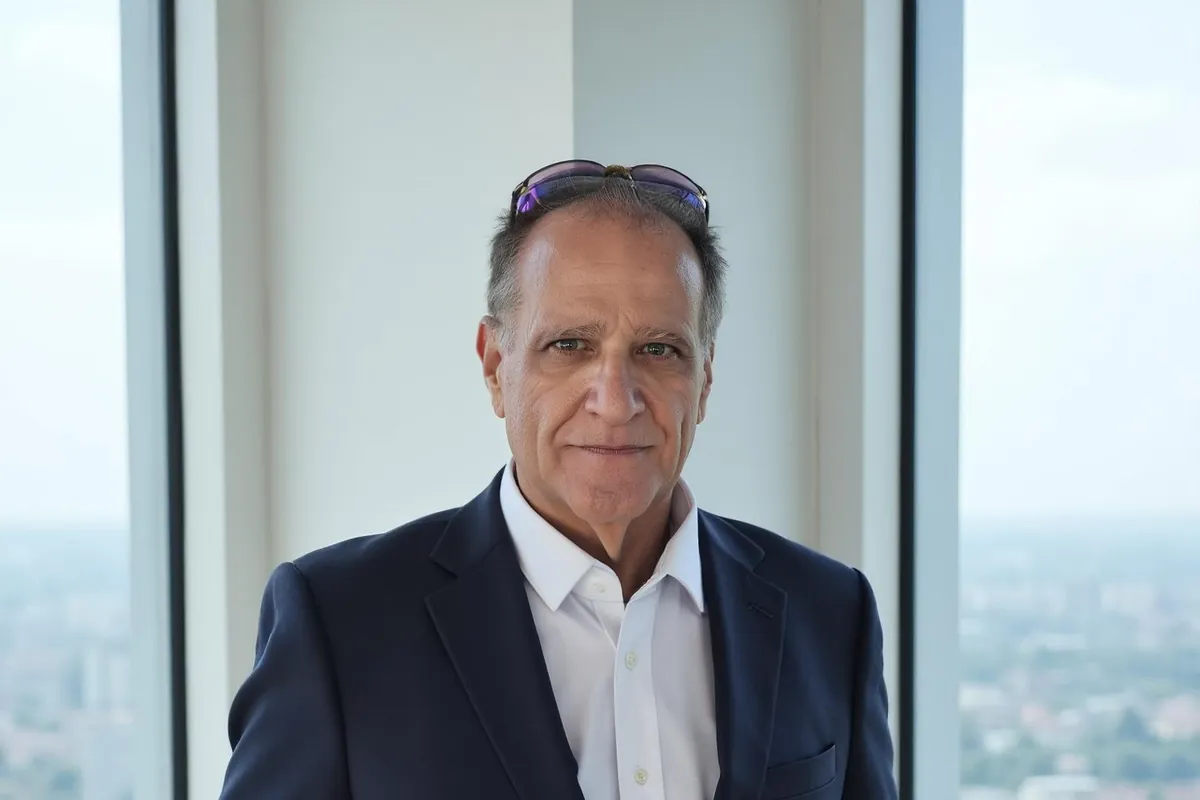
Choosing a wedding rabbi means choosing a person who will stand beside you at an important moment. Start with the ceremony you want, check approach, equality and what is included, and give weight to how you feel in the first conversation. If you would like to meet Rabbi Adv. David Mordecai, a Reform rabbi, lawyer and singing rabbi, you can arrange an introductory conversation.
More Articles for Couples