
Same-Sex Jewish Wedding: A Chuppah for Two Brides or Two Grooms
A same-sex Jewish wedding is a marriage ceremony for two women or two men, and in the Reform tradition it is a full Jewish ceremony, with a chuppah, rings, a ketubah, blessings and the breaking of the glass. The short answer to the question couples ask first: yes, Reform rabbis officiate at weddings for same-sex couples, and the worldwide Reform movement has supported this for many years. In this article you will find what such a ceremony looks like, which adaptations are made, and what is important to know about the legal side in Israel. The legal information here is general and is not legal advice.
A Full Jewish Ceremony, for Every Couple
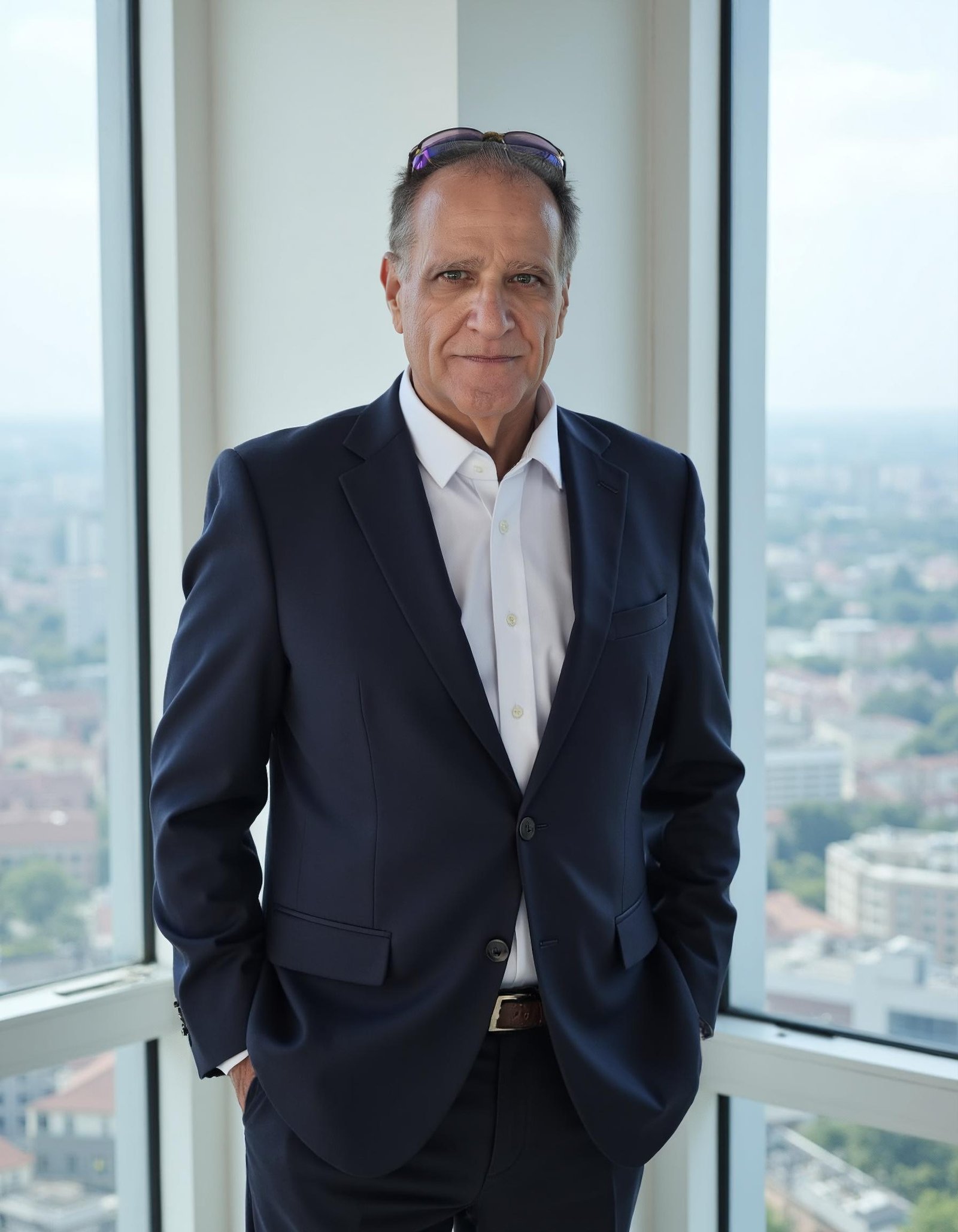
Rabbi Adv. David Mordecai officiates at weddings for same-sex couples, out of a view of equality and the sanctity of love. A same-sex wedding is not a “shortened version” of a wedding; it includes all the elements of a Jewish ceremony and adapts them to the couple. As in every Reform ceremony, it is built together with the couple in the preparation meetings, according to your story, your family and your values.
Adapting the Ceremony for a Same-Sex Couple
The Wording
The traditional texts are written for a groom and a bride. In a ceremony for a same-sex couple, the language is adapted: two grooms or two brides, in masculine or feminine Hebrew forms, or in neutral wording. In English the vows can simply use your names. That way every word spoken under the chuppah is true for you.
Mutual Kiddushin
Both partners place a ring on each other’s finger and say a betrothal phrase in a wording that suits them. You can choose a wording close to the traditional one, or a completely personal one.
The Ketubah
An egalitarian ketubah suits a same-sex couple especially well, because it does not assume the roles of groom and bride. It expresses the mutual commitment of both partners.
The Seven Blessings
The Seven Blessings are adapted to the couple. You can invite friends and family to recite blessings, in Hebrew or in translation, and add a personal blessing.
One Glass or Two?
Breaking the glass is a joyful and powerful moment. Many couples choose to break two glasses, one for each partner, while others break one glass together. There is no right or wrong here, and every choice can be just as moving.
Walking to the Chuppah
Who will walk you to the chuppah? Together, each with your own parents, or another way? It is a personal decision, worth thinking about in advance.
You can read more about the structure of a Reform and egalitarian wedding ceremony on the site.
Personal Moments You Can Add
Beyond the traditional elements, a same-sex wedding is a wonderful place for personal moments. Many couples write personal vows and say them to each other under the chuppah, in their own words. Others invite close friends, who have been with them along the way, to read a passage or recite a blessing. Some couples include a song that is part of their story, and some ask the rabbi to tell, briefly, about the path they have walked together. Rabbi David Mordecai is a singing rabbi, and sung blessings can add warmth and joy to the ceremony.
Questions to Bring to the Preparation Meeting
- In which grammatical forms do we want the blessings and the kiddushin to be said?
- Who will walk us to the chuppah, and who will stand under it?
- Will we break one glass or two?
- Which ketubah text suits us, and in which language?
- Which family members and friends will recite blessings?
- Will we write personal vows?
- How will we explain the steps of the ceremony to our guests?
The more you arrive at the meeting with first thoughts, the easier it will be to build a ceremony that feels yours from the very first moment.
When the Family Is Hesitant
Sometimes the excitement comes together with worries from family members. A ceremony that explains itself, with a short introduction to the meaning of each step, helps guests feel at home. Including family members in the blessings and readings can also strengthen the bond. Every family is different, and there is no need to rush. A conversation with the rabbi can help you think about how to include everyone. Hearing the ancient blessings said for their children, in words that fit them exactly, can move even parents who were hesitant.
The Legal Side: What Is Important to Know
In Israel there is no way for a same-sex couple to marry, and a Reform ceremony on its own is not registered as a marriage. So many couples combine the ceremony with an additional legal arrangement.
A Civil Marriage Abroad
A same-sex couple can marry in a civil marriage in a country that allows it, and then request registration with the Population Authority. According to Kol Zchut, for same-sex couples registration does not necessarily give married status in every respect, so check what it means in your case. More information is on the page about civil marriage for Israeli couples.
A Utah Marriage
Utah’s SB 257, signed on March 18, 2026 and in force since May 6, 2026, did not abolish online marriages. When the couple is not physically present in the same place as the officiant, the county posts a warning that an online marriage solemnized in Utah may be invalid in the country where the couple lives, and the officiant reads that warning verbatim right before the ceremony. In Israel, the Supreme Court ruled on March 7, 2023, in the Bril case, that the Ministry of Interior must register such marriages; the ruling concerns registration only. Check the current situation with a lawyer.
Agreements and Parenthood
Many same-sex couples choose to draw up a cohabitation or prenuptial agreement, and to check recognition of parenthood separately, if there are or will be children. These are matters to look into with a family law attorney.
If You Ever Separate
According to the information on Kol Zchut, a same-sex couple who married abroad and registered in Israel usually turns to the family court in a dissolution of marriage proceeding.
Frequently Asked Questions
Does a Reform rabbi officiate at a same-sex wedding?
Yes. The Reform movement supports weddings for same-sex couples, and Rabbi David Mordecai officiates at such ceremonies with joy.
Is there a ketubah at a same-sex wedding?
Yes. Couples usually choose an egalitarian ketubah, which expresses a mutual commitment and does not assume the roles of groom and bride.
Do we break one glass or two?
Both are common. Many couples break two glasses, one for each partner.
Can we register as married in Israel?
A Reform ceremony on its own is not registered. Same-sex couples usually marry in a civil marriage abroad and request registration, which does not necessarily give married status in every respect. This is general information and not legal advice.
Is the ceremony different from a regular Reform ceremony?
The structure is the same. The difference is in adapting the wording, the grammatical forms and the roles to the couple.
Can a same-sex ceremony be held in two languages?
Yes. Rabbi David Mordecai can combine Hebrew and English in the ceremony, so that guests who do not speak Hebrew can also understand and take part. Your vows and personal blessings, and words from family or guests, can be said in any language that matters to you.
In Summary
A same-sex Jewish wedding in the Reform spirit is a full Jewish ceremony that honors tradition and your relationship in equal measure. Adapt the wording, choose an egalitarian ketubah, decide about the glasses, and plan the legal arrangement with a lawyer. If you would like to build your ceremony together, you can contact the rabbi.
More Articles for Couples