Getting married in Haifa, in the Krayot or up on the Carmel? Rabbi David Mordecai was born in Haifa, went to the Leo Baeck school there, and earned his B.A. in psychology and sociology at the University of Haifa. Still, he is not a rabbi of one city. He marries couples all over Israel and travels to wherever you choose, so a Haifa wedding simply brings him back to the city where he grew up.
A city of many kinds of families
Haifa is known as a place where very different people live side by side. At a Haifa wedding you will often find a traditional grandmother, secular uncles and friends who moved to Israel only a few years ago sitting in the same row. The rabbi has known this mix since childhood, and he shapes a chuppah in which each of them recognizes something familiar.
For Russian speaking families, the rabbi leads the ceremony in Hebrew or English, while your vows or a blessing from the parents can be said in Russian. When only one partner is Jewish, he offers a personal ceremony without formal kiddushin, with a chuppah, rings and the breaking of the glass. Read more in marrying a partner who is not Jewish.
Bay, mountain and an evening sea breeze
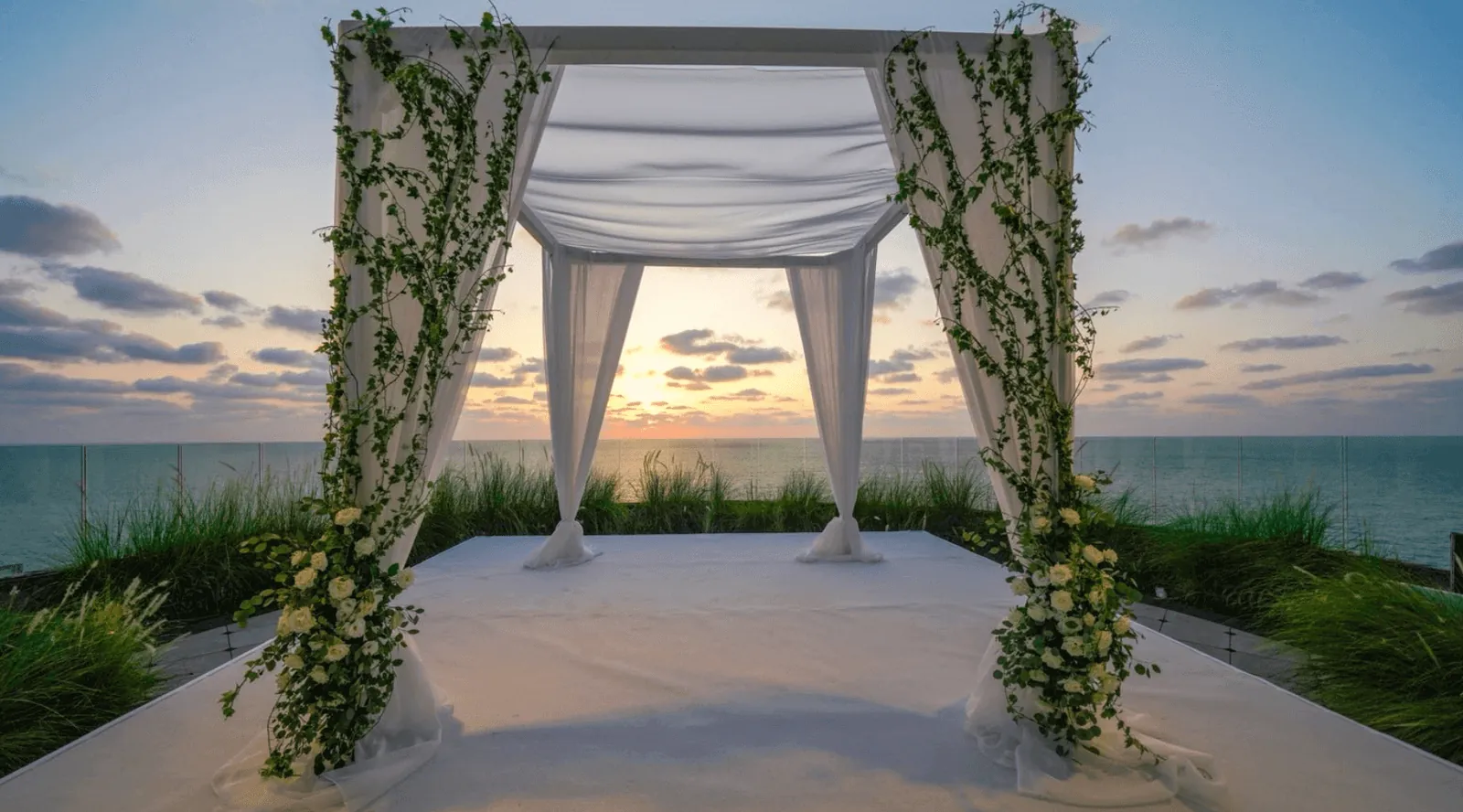
Haifa is built on a slope, so many places in the area look out over the bay or the open sea. A chuppah facing that view photographs beautifully, but check exactly when the sun sets on your date and plan for the wind that comes off the water in the evening. Summers here are humid and most of the rain falls in winter, so an outdoor wedding between November and March needs a covered backup.
If many guests are driving up from the center of the country, the trip usually takes more than an hour, and longer at weekday rush hour. The rabbi confirms with you in advance when he will arrive and where the chuppah will stand, so everything starts on time.
A rabbi who is also a lawyer
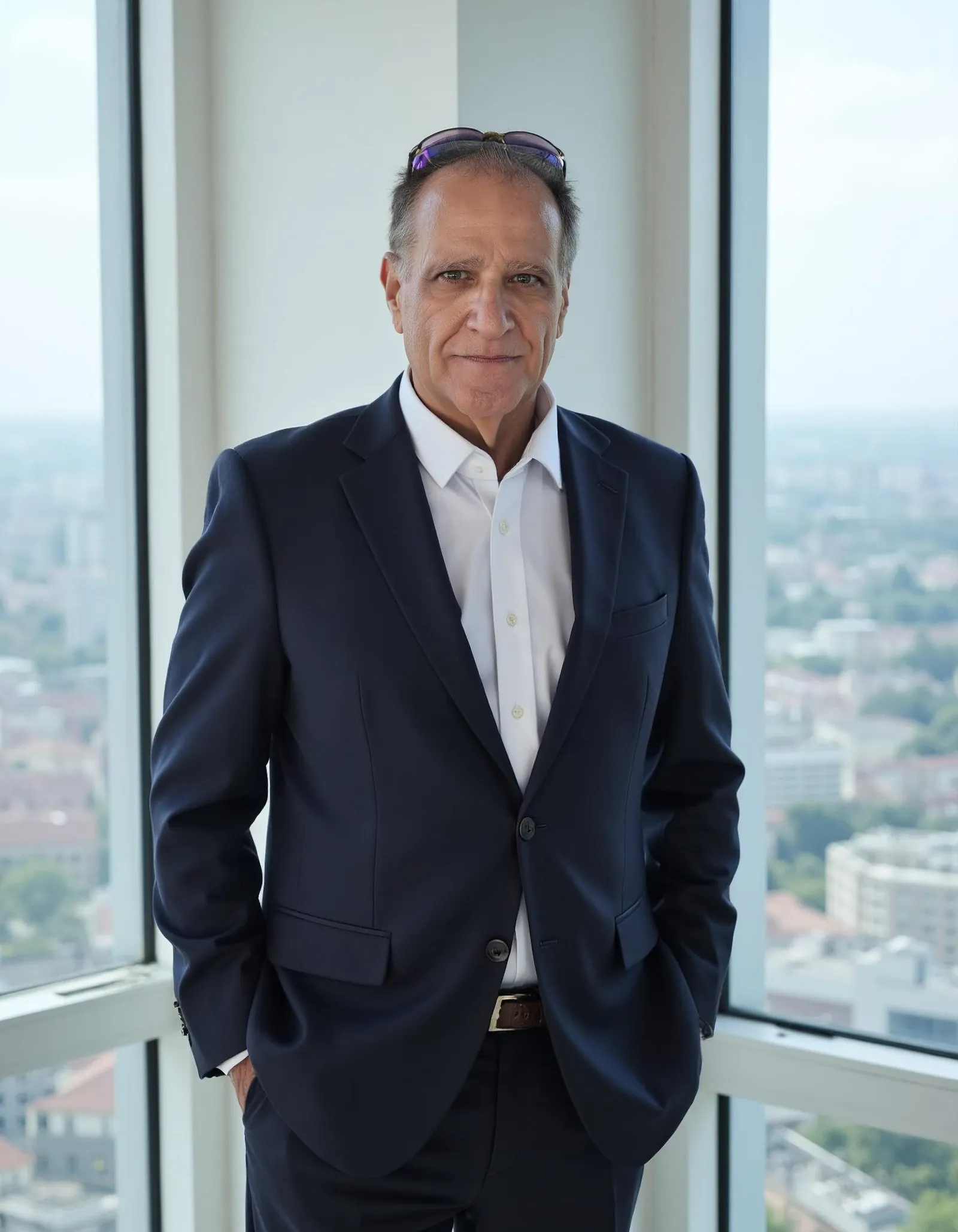
The rabbi was ordained at Hebrew Union College in 1997 and is also a lawyer, with an LL.B from the Hebrew University. That combination lets him explain plainly what a chuppah gives you and what it does not. A Reform ceremony is not recognized by the Rabbinate or by the state. Couples who want registration add a civil marriage, for example in Cyprus or an online Utah marriage, and then register with the Population and Immigration Authority. All the details are on the civil marriage page.
From the Carmel down to the Krayot
Haifa weddings reach well beyond the municipal line. Couples also marry in the Krayot, in Nesher and Tirat Carmel, and in the villages along the Carmel ridge, and the rabbi comes to all of them. The ceremony can also take place among the pines of the Carmel forest or in a garden in one of the ridge villages. In that case, ask the place early what is allowed and what needs arranging, and bring the rabbi into the planning from the start.
What about the date? He officiates on Fridays and on Saturday nights, never on Shabbat itself, and he also marries couples during the Omer and the Three Weeks, which leaves you more dates to choose from.
Back to the sea
His bond with the water did not end at school: he did his military service as a combat sailor in the Israeli Navy, on a missile boat. Under the chuppah, though, the story is yours. In your planning calls he listens first, asks how you met and what matters to each of you, and only then shapes a ceremony that tells that story.
Some couples want a quiet moment to remember a parent who is no longer with them, others want the grandmother who raised them to hold the wine cup. Tell the rabbi what matters to you and he will find room for it within the chuppah. Not sure what is said when the ring is given? It is all explained in the Jewish wedding ring exchange.
Frequently Asked Questions about weddings in Haifa and the Krayot
Is the rabbi based in Haifa?
No. He was born and raised in Haifa, but he marries couples throughout Israel and comes to Haifa and the Krayot exactly as he would to any other region.
Can part of the ceremony be in Russian?
The rabbi leads the ceremony in Hebrew or English. Your vows, and the words of family members and guests, can be in Russian or any language you like.
How long is the ceremony?
Usually fifteen to twenty minutes. That keeps guests focused, even at an outdoor chuppah facing the sea.
Will our Haifa wedding be registered by the state?
Not through the chuppah. A Reform ceremony is not recognized by the Rabbinate or the state. Couples who want registration add a civil marriage, and all the steps are in our guide to civil marriage in Israel.
Does the rabbi sing at the chuppah?
Yes. He is a singing rabbi and sings the traditional blessings himself. If there is a song that matters to you, tell him early and work out together where it fits in the ceremony.
Want to check whether your date is free? Leave your details for the rabbi or call +972 54 5603603. The intro call is free and comes with no obligation. You can read about his background on the Rabbi David Mordecai page, about the service as a whole on Reform rabbi for weddings, and about weddings elsewhere on all the regions he covers.
Mazal tov, from the beach all the way up the Carmel!