
Looking for a Reform rabbi for your wedding in Israel? Rabbi David Mordecai is an ordained Reform rabbi, a singing rabbi and a lawyer. He officiates personal Jewish weddings all over Israel and abroad. Here is what matters before you choose a rabbi.
Who is Rabbi David Mordecai
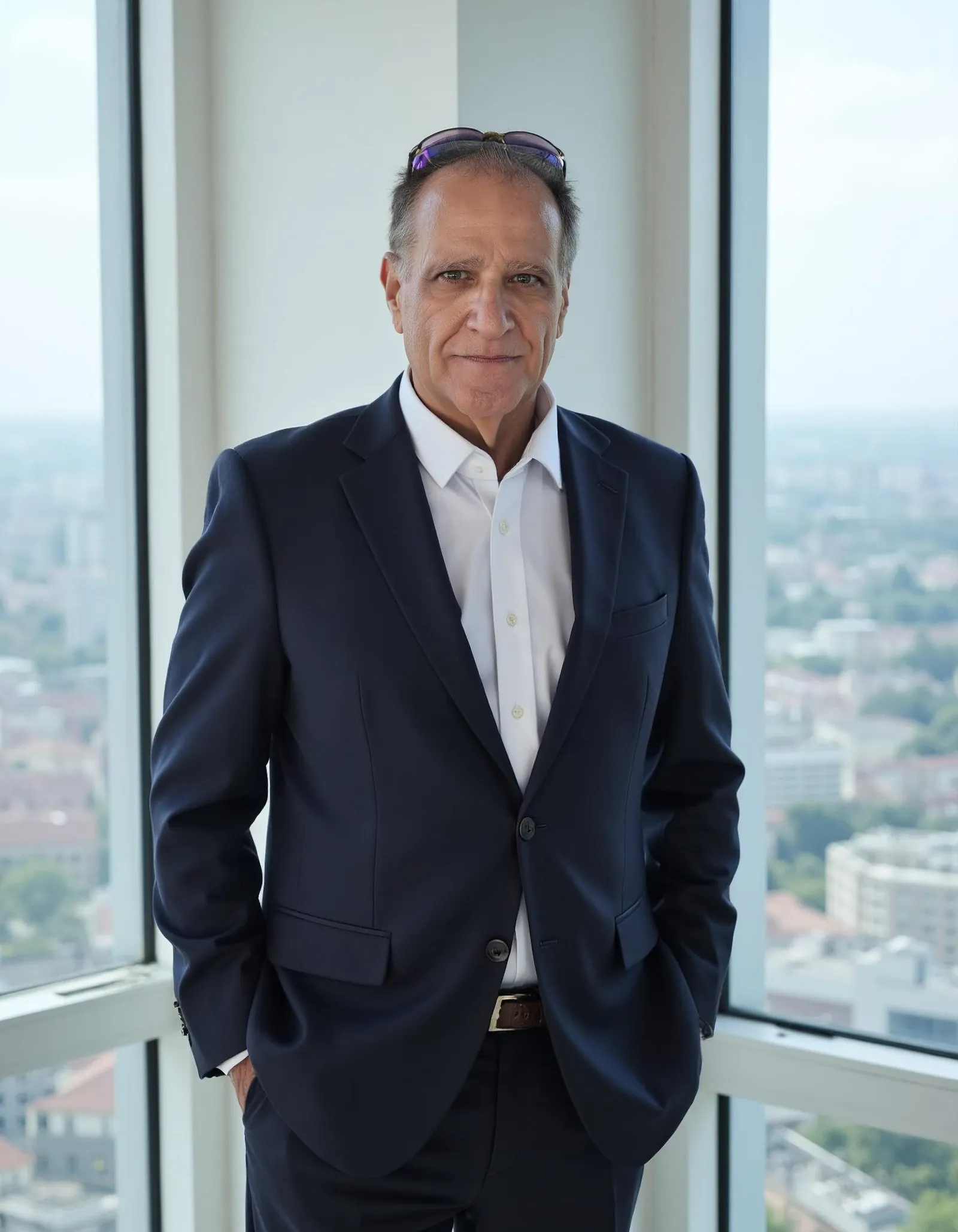
Rabbi David Mordecai received his rabbinic ordination in 1997 from Hebrew Union College (HUC) in Jerusalem. HUC is the main seminary of the Reform Movement. In addition, he holds a law degree (LL.B) from the Hebrew University and is a practicing lawyer. Furthermore, he holds an M.A. in Contemporary Judaism and an M.A. in Modern Jewish History.
He also directed the national youth movement of Progressive Judaism in Israel and managed the Israeli rabbinic program at Hebrew Union College. Later, he served as the rabbi of the Sulam Yaakov congregation in Zichron Yaakov.
You can see his full credentials on the degrees and ordination page. For his background and experience, visit Rabbi David Mordecai, Reform rabbi.
What is a Reform rabbi
A Reform rabbi is a rabbi ordained within Reform Judaism, also called Progressive Judaism. In Israel, the movement operates under the name “The Israel Movement for Reform and Progressive Judaism”. The central seminary of the Reform Movement is Hebrew Union College (HUC-JIR) in Jerusalem. A Reform rabbi’s ceremony includes all the parts of a Jewish chuppah. However, it follows an egalitarian and open approach.
Rabbi David Mordecai received his rabbinic ordination from HUC-JIR in Jerusalem in June 1997 (11 Sivan 5757).

Why choose a Reform rabbi for your wedding in Israel
A Reform rabbi officiates a full Jewish wedding. It includes the chuppah, the betrothal blessing, kiddushin with a ring, a ketubah, the Sheva Brachot and the breaking of the glass. However, the ceremony follows an egalitarian and open approach. Both partners take an active part, and both can say the words of kiddushin. A separate guide explains the difference between a Reform and a religious wedding.
There is also room for personal vows and songs. Rabbi David Mordecai is a singing rabbi, so he sings the blessings.
The rabbi offers several kinds of ceremonies, depending on what suits you:
- A full traditional Jewish ceremony
- A liberal and egalitarian Jewish ceremony
- A secular ceremony
- A blend of these styles
Naturally, you choose the style together with the rabbi. For more on the structure, see the wedding ceremony page.
What a Reform wedding looks like: a ceremony built around you
Every couple comes with a different story. Some want a short and joyful ceremony, while others add family customs or a favorite song. The rabbi listens first and then helps you decide what goes in. As a result, it feels like yours.
You also decide who reads a blessing and who shares a few words. The rabbi suggests ideas from Jewish tradition, but the final choice is always yours.
Who a Reform wedding in Israel is for
The ceremony is open to couples from every background. For instance, secular, traditional and Reform couples all come to him. Above all, no special religious background is needed. The rabbi officiates for:
- Couples who want a Jewish wedding without the Rabbinate
- Same sex couples
- A kohen and a divorcee
- A kohen and a convert
- Couples from abroad who want to marry in Israel
Some of these couples cannot marry through the Rabbinate at all. However, with a Reform rabbi they can still have a dignified and meaningful Jewish ceremony.
Where, when and in which language
The rabbi officiates weddings all over Israel, from Eilat to Metula. Ceremonies take place in event gardens, in nature, on the beach, in hotels and in private homes. Moreover, he also travels to weddings outside Israel. Abroad too, the religious ceremony is not recognized by the Israeli Rabbinate or by the State of Israel. Legal recognition comes from a civil marriage. You can read more on the weddings abroad page. Dreaming of a chuppah in Italy? See our guide to a Jewish wedding in Italy.
Marrying in a particular region? We put together what to know about weddings in Haifa and the Krayot, in the north, in Zichron Yaakov, Binyamina and Caesarea, in Tel Aviv and central Israel, in Jerusalem and the Jerusalem hills and in Beer Sheva, the Negev and Eilat. All areas are listed together on the wedding areas page.
He officiates on Fridays and on Saturday nights after Shabbat ends. He does not officiate on Shabbat itself. In addition, he officiates during the Omer period and the Three Weeks (Bein HaMetzarim). Planning a Friday wedding? Read more about Friday weddings and halacha.
Generally, the ceremony is held in Hebrew or English, or in a mix of both. At the same time, your own vows and the words of your family and guests can be in any other language.
A Reform wedding and the state: what to know about registration
First of all, a Reform wedding ceremony in Israel is not recognized by the Rabbinate. Nor is it recognized by the state for registering a marriage. In Israel, Jewish marriages are registered only through the Rabbinate.
That is why couples who also want official recognition combine the chuppah with a civil marriage. Common options are a civil marriage in Cyprus or an online Utah marriage. Then you present the marriage certificate at the Population and Immigration Authority and register there as married. Official details appear on the change of personal status service page of the Authority (in Hebrew).
For the full picture, see our pages on the legal status of marriage in Israel and on civil marriage. The article Reform wedding and divorce explains what happens if you separate. Finally, for a specific case it is best to consult a lawyer.
How to choose a Reform rabbi for your wedding in Israel
Before deciding, it is worth checking that the person you contact is truly an ordained Reform rabbi. Ask these questions:
- Where and when was he ordained?
- Does he meet the couple before the wedding?
- In which languages does he lead the ceremony?
- Is he available on your date and at your venue?
- What does the service include?
You will find more tips in our article on how to choose a wedding rabbi. If you want to understand what affects the fee, read how much a Reform rabbi costs.
From the first call to the chuppah
- Introductory call: you get to know each other and hear about the options, with no obligation.
- Preparation meetings: you meet in person or by video. Together you then build the ceremony, choose blessings and decide who takes part.
- The ketubah: you choose an artistic ketubah from a range of designs. Then you pick one of the ketubah texts, traditional, personal or an egalitarian ketubah.
- The wedding day: the rabbi leads the ceremony and sings the blessings. A typical ceremony lasts about fifteen to twenty minutes.
Reform wedding and Reform rabbi in Israel: FAQ
What is a Reform Jewish wedding?
A Reform Jewish wedding is a full Jewish wedding ceremony led by a Reform rabbi. It includes the chuppah, kiddushin, the ketubah, the Sheva Brachot and the breaking of the glass. The ceremony is liberal and egalitarian, and it is held in clear, understandable Hebrew or English.
What is the difference between a Reform rabbi and an Orthodox rabbi?
A Reform rabbi is ordained within Reform Judaism, also called Progressive Judaism. His ceremony includes all the parts of a Jewish chuppah. The difference is in the approach: equality between the partners, openness to every couple and a personal ceremony.
Does the rabbi marry a kohen and a divorcee?
Yes. Rabbi David Mordecai marries a kohen and a divorcee, and also a kohen and a convert.
Can we marry on a Friday or a Saturday night?
Yes. The rabbi officiates on Fridays and on Saturday nights after Shabbat. He does not officiate on Shabbat itself.
Can a Reform rabbi wedding in Israel take place during the Omer or the Three Weeks?
Yes. The rabbi officiates weddings during these periods as well.
In which language is the ceremony held?
The ceremony is held in Hebrew or English, or in a mix of both. Your vows and the words of your guests can be in any language.
Is a Reform rabbi wedding in Israel recognized by the state?
No. The ceremony is not recognized by the Rabbinate or the state. Recognition comes through a civil marriage and registration with the Population and Immigration Authority.
Does the rabbi come to Jerusalem and the surrounding area?
Yes. The rabbi officiates ceremonies all over Israel, including Jerusalem and the surrounding area.
Does the rabbi officiate weddings abroad?
Yes. He officiates Jewish weddings outside Israel as well, by prior arrangement.
Want to check your date?
If you are looking for a Reform rabbi for your wedding in Israel, the first step is simple. Contact Rabbi David Mordecai or call +972 54 5603603. Tell him about your date, your venue and your dream. He will be happy to meet you. For more answers, see our questions and answers about a Reform wedding or the Rabbi David Mordecai home page.
You can also find the rabbi on his Mit4Mit business page.
Rabbi David Mordecai. Mazal tov!